
Cheap Ammo Without the Guesswork: Where to Score Affordable Rounds That Actually Perform
What shooter hasn’t wondered whether budget-friendly rounds can still deliver reliable performance? Cheap ammunition typically refers to factory-new or remanufactured cartridges produced with cost-effective materials and streamlined manufacturing, prioritizing function over premium finishes. Its primary benefits include affordable practice volume, allowing shooters to hone fundamentals without financial strain, and dependable cycling in most modern firearms when properly Ammo Cans & Storage for Sale stored. To use it effectively, verify lot consistency and start with small test batches to confirm accuracy and function before purchasing in bulk.
What Defines Budget-Friendly Ammo Without Sacrificing Function
Budget-friendly ammo earns its label when reliable cycling and consistent accuracy remain intact despite a lower price point. The core test is function: a cartridge must feed, extract, and ignite without fail across varied temperatures and dirty chambers. Cheap ammunition that sacrifices primer sensitivity or case uniformity becomes a false economy, causing malfunctions that cost more in range time. Look for plated or bi-metal bullets for practice, as they reduce cost while still delivering acceptable terminal performance on paper targets. Dimensional consistency—not just bullet weight—determines whether a budget round will chamber smoothly in tight tolerances. Avoid unknown remanufactured loads; instead, prioritize new-production value brands that publish velocity and pressure specs. A truly functional cheap round will group within two inches at 25 yards from a rest—anything worse defeats its purpose. Finally, bulk packaging lowers per-round cost without altering the powder charge or projectile integrity, making it the smartest way to save while preserving function.
Key Differences Between Economy Rounds and Premium Loads
Economy rounds prioritize reliable function over refined consistency, often using harder brass, sealed primers, and slightly looser tolerances that still cycle dependably. Premium loads, by contrast, deliver tighter powder charges, match-grade bullets, and nickel-plated cases for smoother feeding and uniform velocity. The practical gap shows in group size: budget ammo holds 2–3 inches at 25 yards from a rest, while premium often cuts that to one inch—rarely decisive for defensive drills or plinking. However, economy rounds can suffer occasional flyers or dirty burn rates, demanding more frequent cleaning. Choose cheap .223 for range volume, but trust premium for zeroing optics or critical carry. Key differences between economy rounds and premium loads boil down to consistency and case finish, not safety.
Q: Is the accuracy gap between budget and premium worth the price jump? A: Only for precision work; for general training, modern economy ammo performs adequately within practical combat distances.
Understanding the Trade-Offs in Material and Manufacturing
Understanding the trade-offs in material and manufacturing means recognizing that cost savings originate from specific, measurable compromises. Cheaper brass cases are often annealed less precisely, reducing reloadability, while steel cases sacrifice expandability for lower price. Bullet jackets may be thinner or use a bi-metal copper-washed steel instead of pure copper, which increases barrel fouling but cuts material expense. Primer and powder quality directly impacts ignition consistency, yet budget lines often use slightly less uniform propellant granules or harder primers. Manufacturing shortcuts, such as faster drawing processes for cases or swaging bullets with less pressure, can yield acceptable accuracy for practice—typically 2–3 MOA—but not match-grade precision. Ultimately, you are balancing functional reliability against component longevity and inherent accuracy, choosing which sacrifice aligns with your specific shooting goal.
Why Price Per Round Isn’t the Only Cost to Track
Tracking only the sticker price per round hides the true cost of shooting. A bargain box that fails to cycle your firearm costs you range time, not just money. Factor in transportation and shipping fees, which can erase savings on bulk orders, especially for heavy calibers. Also consider the cost of malfunctions: a jammed round during a defensive drill has a price beyond dollars. Reliability testing demands you burn extra ammo to verify function, adding hidden expense. Finally, low-quality brass may be unsafe to reload, losing its aftermarket value. A slightly pricier round that feeds flawlessly and preserves your firearm’s internals is genuinely cheaper over a thousand rounds than a jam-prone “deal.”
How to Pick Affordable Cartridges for Range Practice and Plinking
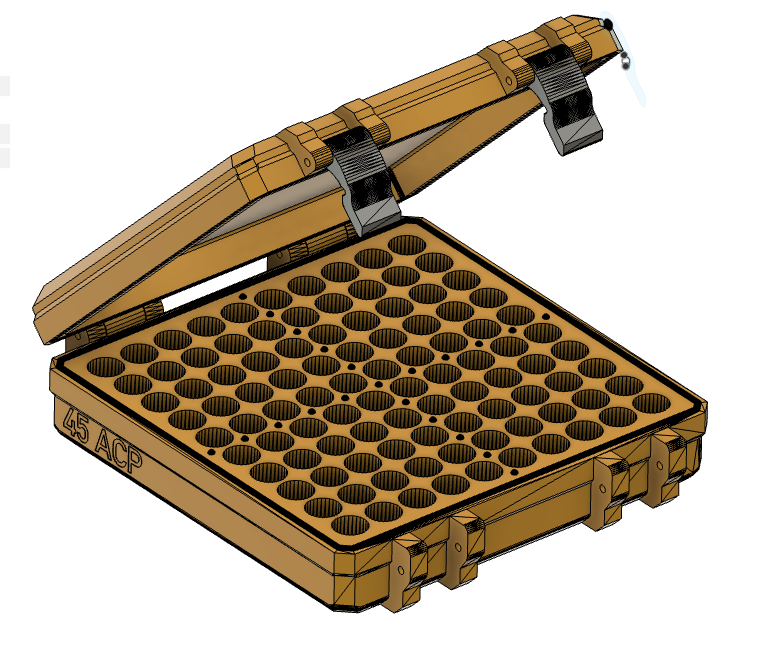
The best way to start is by matching your carry or hunting caliber, but for pure plinking, consider a smaller, cheaper sibling. I learned this when I realized my .45 ACP habit was eating my lunch, so I switched to a 9mm for practice. That single change is the cornerstone of how to pick affordable cartridges for range practice—buy the same bullet weight and profile as your defense load, but seek specialty sports & supply out steel-case or aluminum options. However, the real trick for cheap ammunition is shopping by the case online, where shipping costs are diluted. I always check the price per round, not the box price, and I stick to well-known brands like Blazer or Winchester white box. Avoid gimmicky reloads; they’re not worth a jammed slide when a box of Federal costs the same per bang.
Matching Bullet Weight and Grain to Your Firearm’s Twist Rate
When you’re buying cheap ammo for plinking, matching bullet weight to your twist rate saves you money and frustration. Your barrel’s twist rate (like 1:12 or 1:7) dictates which grain stabilizes best—heavier rounds need faster twists. Check your rifle’s manual or barrel stamp, then pick the lightest affordable grain that still groups well. For example, a 1:12 twist in .223 loves 55-grain, while a 1:7 prefers 62–77. Test a box of each to confirm. Stabilization matters more than price—if it tumbles, you’ve wasted cash.
- Find your twist rate (usually stamped on barrel).
- Buy a small box of 2–3 grain weights within budget.
- Shoot at 50 yards and pick the cheapest that holds a tight group.
Choosing Between Full Metal Jacket and Other Low-Cost Bullet Types
When you’re shopping on a budget, choosing between full metal jacket and other low-cost bullet types mostly comes down to your goal. FMJ rounds are the classic pick for range practice because their copper coating feeds reliably and keeps barrels cleaner than exposed lead. If you’re just plinking soda cans, though, cheaper alternatives like cast lead or bi-metal jacketed rounds save you a few bucks per box, but they’ll smoke more and may leave leading in your bore. For semi-autos, stick with FMJ to avoid jams; for revolvers or bolt-actions, soft lead is fine. Just test a small box first to see what your gun cycles happily.
Identifying Reliable Budget Brands That Feed and Eject Cleanly
To identify reliable budget brands that feed and eject cleanly, prioritize ammunition with a proven track record in your specific firearm model. For 9mm, brands like Blazer Brass, Federal Champion, and Sellier 7.62×51 Ammo for Sale & Bellot consistently cycle in Glocks and SIGs, while .223/5.56 shooters often find PMC Bronze and Wolf Gold reliable in AR-15 platforms. Test a single box through a full magazine before bulk buying, and inspect the case rims and primer seating for uniformity—bulges or high primers predict malfunctions. Reliability is firearm-specific, so a brand flawless in one gun may jam in another. Check online forums for your exact pistol or rifle, then buy a 50-round sample. Avoid remanufactured or repackaged “mystery” ammo, as their feed geometry varies. A clean extraction also depends on chamber tolerance, so verify spent cases eject at a consistent angle.
Practical Tips for Stretching Your Ammo Budget Further
To stretch your ammo budget further with cheap ammunition, start by buying in bulk—cases of 500 or 1,000 rounds usually drop the per-round cost significantly compared to boxes of 20. Pair that with dry-fire practice at home using snap caps, which builds trigger control and sight alignment without burning a single live round. When you do hit the range, mix in a few premium defensive rounds only to confirm reliability, then do the bulk of your shooting with budget-friendly steel-case or aluminum-case ammo for practice. Also, reload your own brass if you have the time—it can cut costs by nearly half, but start with cheap bullets to keep the learning curve affordable. Finally, always check for free shipping deals and stack coupon codes when ordering online; that keeps the final price per round as low as possible.
Buying in Bulk vs. Small Boxes — When Each Makes Sense
Bulk ammunition purchases reduce per-round cost most significantly when your caliber is a staple, your storage conditions are climate-controlled, and your shooting volume is consistent—typically over 500 rounds monthly. Small boxes make more sense for occasional shooters, for testing a new defensive load before committing to a case, or when you rotate calibers frequently. 5.7x28mm Ammo for Sale The critical variable is amortization: bulk only pays off if you actually shoot it before humidity or price fluctuations alter your circumstances. For budget-stretching, buying in bulk for training calibers while reserving small boxes for specialized or carry ammunition delivers the optimal balance, ensuring you never waste money on quantity you cannot use efficiently.
Using Rebate Programs and Clearance Deals Without Chasing Scams
Rebates and clearance bins are goldmines for stretching your ammo budget, but only if you play it smart. Always read the fine print on rebate forms—check for specific SKUs, purchase dates, and whether the offer requires a mailed receipt or a photo upload. Stick to manufacturers you recognize, like Hornady or Remington, and verify the promo directly on their official site before buying. For clearance deals, browse local gun shops and big-box stores in person; online blowouts often hide inflated shipping. If a price seems impossibly low—like 50% off premium match rounds—it’s likely a scam or a typo. Trust only reputable retailers. Finally, act fast: rebate windows close quickly, and clearance stock vanishes without notice.
- Cross-check rebate forms against the manufacturer’s official website before purchasing.
- Calculate shipping and tax into clearance prices—a “deal” can quickly become a loss.
- Set a calendar reminder for rebate submission deadlines to avoid missing the window.
Simple Storage Habits That Prevent Misfires and Keep Rounds Fresh

When you buy cheap ammunition in bulk, your savings evaporate the moment a dud round ruins your range day. Start by keeping bricks in airtight, ammo-specific cans with a desiccant pack—humidity is the top killer of primers and powder. Never store loose rounds loose in a drawer; use a labeled tray or reloading block to prevent 7mm PRC Ammo for Sale brass-on-brass wear and primer jostling. Rotate your stock, shooting the oldest boxes first, so nothing sits for years and develops hard, unreliable ignition. Proper ammo storage keeps budget rounds firing like premium ones. Avoid temperature swings near radiators or cold garages, as condensation forms inside the box. Cheap rounds are more sensitive to poor storage, so a little discipline gives you far fewer misfires per box.
Simple storage habits—airtight containers, desiccants, rotation, and stable temperatures—prevent misfires and keep cheap rounds fresh for longer, maximizing every dollar spent.
Performance Expectations: What Budget Rounds Can and Can’t Do
Budget rounds deliver consistent ignition and acceptable mechanical function for range drills, but you must temper expectations around precision. They can reliably cycle most semi-autos and hold minute-of-pie-plate accuracy at 25 yards, making them ideal for trigger time and malfunction drills. What they can’t do is shrink groups beyond their inconsistent bullet weight and powder charge variance—expect flyers at 50 yards that a premium round wouldn’t produce. Treat cheap ammunition as a training tool, not a match-grade benchmark. Q: Will budget rounds damage my gun? A: No, but their harder primers and rougher extraction can accelerate fouling, so clean more often.
Accuracy Limits at Various Distances for Casual Shooting
For casual shooting, accuracy limits at various distances become apparent quickly with budget rounds. At 25 yards, most cheap ammunition groups within two to three inches, sufficient for plinking or steel targets. Pushing to 50 yards, expect groups to open to four or five inches, often due to inconsistent bullet weights or powder charges. Beyond 75 yards, budget rounds frequently lose predictable trajectory, causing fliers that ruin tight clusters. At 100 yards, casual 7.62×39 Ammo for Sale shooters should anticipate six to eight inch spreads, making small game or precision work frustrating. Staying under 50 yards keeps results acceptable, while longer distances demand better components for meaningful consistency.
Velocity Variations and Their Effect on Aiming and Recoil
Budget rounds often exhibit velocity variations that directly destabilize point of impact, as inconsistent powder charges produce fluctuating muzzle speeds. Even a 50 fps spread shifts bullet drop at range, forcing you to re-zero constantly or holdover erratically. Recoil impulse also changes with velocity; 7.62x54R Ammo for Sale faster shots snap harder, slower ones feel softer, which disrupts your muscle memory and follow-through timing. While a tight group on paper can still occur, the zero you dialed in for one box may prove useless on the next. For practical shooting, chronograph a sample lot and confirm your zero only for that exact batch. Accept that budget ammo’s velocity inconsistency makes precision work frustrating unless you adapt your aiming strategy to a wider effective kill zone.
- Record average velocity and extreme spread for each new box to predict vertical shift.
- Use a larger aiming point or holdover margin to compensate for unpredictable drop.
- Expect recoil spring and grip tension to feel different shot-to-shot, affecting reset.
Reliability Issues to Watch for in Dirt-Cheap Cartridges
When shooting budget ammunition, the most glaring reliability issues in budget ammunition stem from inconsistent primer seating and sloppy case mouths. Dirt-cheap cartridges frequently fail to ignite on the first strike, especially in striker-fired pistols with lighter springs, because manufacturers skip quality-control checks on primer depth. You will also encounter occasional squib loads—undercharged rounds that barely push the bullet out of the barrel—demanding immediate cease-fire. Furthermore, weak crimps allow bullets to set back into the case during feeding, spiking pressure dangerously. In semi-automatics, expect more stovepipes and failure-to-eject jams due to underpowered powder charges. For revolvers, sticky extraction after firing is common, as cheap brass expands and grabs the cylinder walls. Always inspect every round visually before loading; batch-test at least 50 to identify a bad lot before trusting it for defense.
- Check for bullet setback by pressing each round against a hard surface—if it moves, discard it.
- Watch 5.56 Ammo for Sale for high primers that protrude slightly; these cause light strikes or slam-fires.
- After shooting, count your brass and cases—squibs leave bullets stuck in the bore.
- Run a 100-round mixed test across different firearms to reveal cycling failures.
Common Questions About Saving on Ammunition Purchases
When hunting for cheap ammunition, the biggest question is always whether bulk buying actually saves you money—and yes, it almost always does, but only if you shoot regularly enough to justify the upfront cost. Another common worry is if discounted rounds are lower quality; reloads or remanufactured ammo can be a great bargain, but you should stick to reputable brands and check that the brass looks clean and undented. Many shooters also ask if they should wait for holiday sales, but the better move is to set a price-per-round alert and jump on any deal that drops below your target. Finally, don’t forget to factor in shipping fees—free shipping thresholds often make a slightly pricier box the cheaper total option—so compare final costs before you click buy.
Are Remanufactured or Reloaded Rounds Worth the Lower Price?
Remanufactured or reloaded rounds can cut costs by up to 40%, but that discount demands scrutiny. Factory-remanufactured ammunition, which uses once-fired brass and new components, offers consistent performance for range practice—often worth it. Hand-loaded rounds from an unknown source, however, introduce risk: a double-charge or improper seating can damage your firearm. If you trust the loader’s reputation, remanufactured rounds are worth the lower price for high-volume plinking, but they are never a substitute for defensive loads. Check for cracked primers and bulged cases before firing. A few pennies saved per round is pointless if a failure ruins your session or your gun.
Buy remanufactured from verified brands for training, skip mystery reloads for self-defense—savings only matter if the round fires reliably.
How to Spot Corrosive Primers and Other Hidden Drawbacks
When chasing cheap ammunition, corrosive primer detection starts with the sting: shoot a few rounds, then sniff the spent cases—a sharp, acrid ammonia-like bite signals chlorate salts. Look for grayish-white crust on the bolt face or chamber within hours, not days, and check the primer pocket for a dark, crusty ring after cleaning. Also, feel the bolt lift—corrosive residue turns it gritty. Beyond that, hidden drawbacks lurk in dented case mouths, which cause feeding jams, and uneven crimp that makes bullets seat crooked. Inspect the bullet’s seating depth against a known cartridge, and shake a box—loose rounds mean inconsistent powder charges. If the primer’s anvil stamp looks shallow or off-center, expect hangfires.
Corrosive primers betray themselves through acrid smell, crusty residue, and gritty bolt action; always inspect case mouths, crimp, and primer .17 HMR Ammo for Sale seating to dodge hidden flaws in bargain ammo.
What to Do When Your Gun Jams Frequently with Economy Loads
When your gun jams frequently with economy loads, first **inspect the ammunition for dimensional inconsistencies**—cheap rounds often have slightly rolled crimps or high primers that fail to seat fully. Clean and lightly lubricate the firearm’s feed ramp and extractor, as budget ammunition leaves more powder residue that can slow the slide. Test a single magazine loaded with only five rounds to isolate spring tension issues, and avoid mixing economy loads with premium cartridges in the same mag. If stoppages persist, try a different brand of budget ammo with a rounder bullet profile like flat-nose instead of hollow-point.
- Run a bore snake through the chamber every 50 rounds to remove soot buildup from low-cost powder.
- Use a stronger recoil spring if your pistol locks back late with weak-loaded economy .17 WSM Ammo for Sale cartridges.
- Manually cycle a dummy round to verify the extractor grips the rim without slipping.
